How to Write a Resume That Survives the ATS Robot
Somewhere, a hiring manager has 250 applications for one job and roughly the attention span of a cat near a window. Before they even see yours, it may pass through an applicant tracking system (ATS): software that stores applications, parses resumes and helps recruiters search and filter.
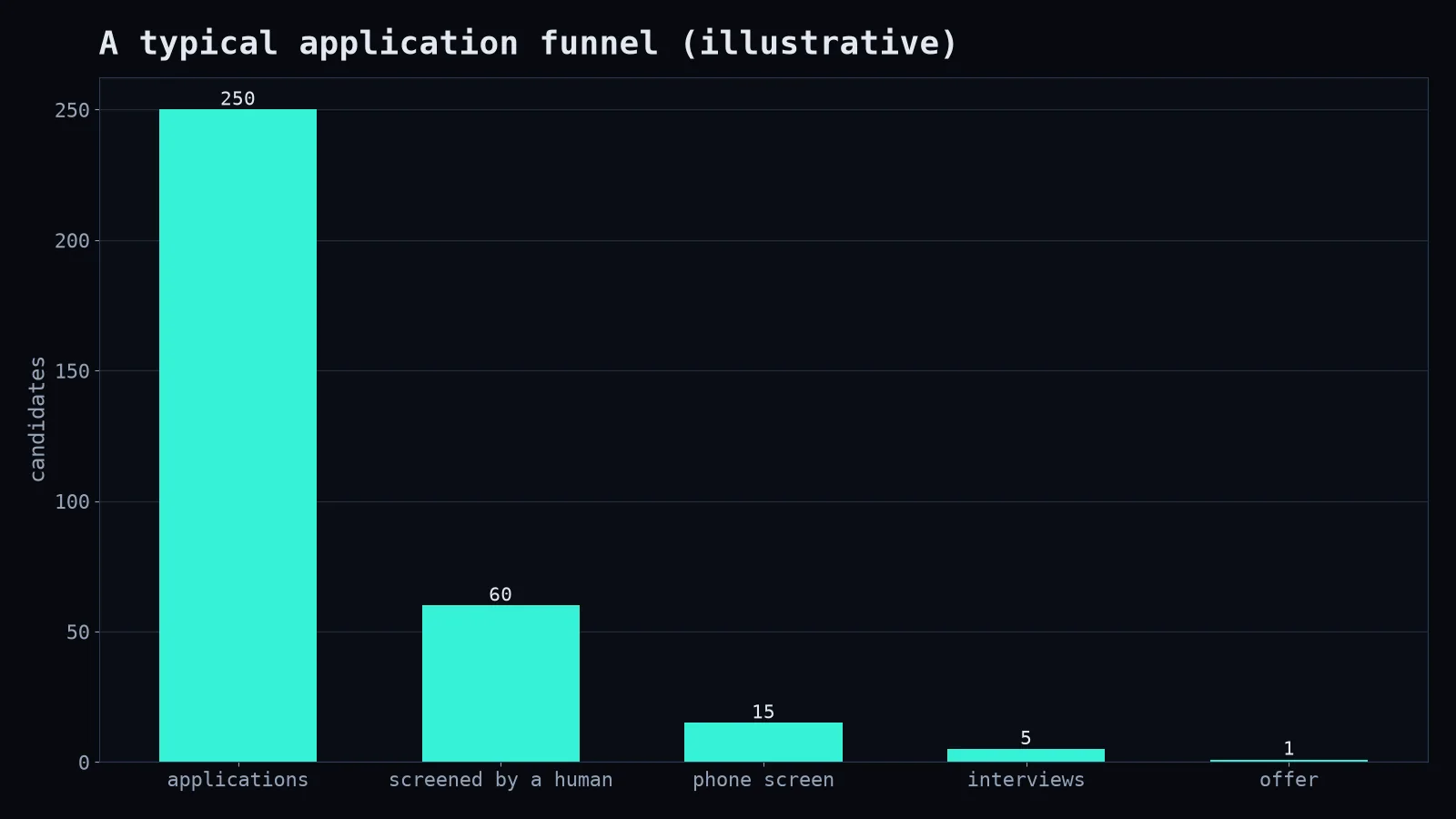
There are many myths about ATS "robots rejecting you automatically." In reality, it varies a lot by company and setup. But the practical advice is the same either way: make your resume easy for software to read and easy for a tired human to skim.
Formatting that parses well
- Use a simple layout. One column is safest. Fancy two-column templates, text boxes, icons and tables can scramble when parsed.
- Use standard headings: Experience, Education, Skills, Projects.
- Avoid putting key information in headers, footers or images.
- Submit as PDF or Word, whichever the posting asks for. A text-based PDF is usually fine; a scanned image of your resume is not.
- Use a normal font, at a readable size.
Keywords, honestly
Recruiters often search for skills. If the job asks for "SQL," "Python" and "stakeholder communication," and you have those skills, make sure those exact words appear in your resume, in context. Don't keyword-stuff, and never list skills you don't have; interviews will find out.
Bullet points that show impact
Most resumes describe duties. Good resumes describe results.
- Weak: "Responsible for building dashboards."
- Better: "Built a sales dashboard used weekly by 40 managers, replacing a manual report that took 6 hours a week."
A useful pattern: action verb + what you did + measurable result. Numbers don't have to be revenue; time saved, users served, error rates reduced, processes automated, all count.
Tailor it, a little
You don't need a completely new resume for every job, but adjust the top third: a short summary aligned with the role and the most relevant experience first. Ten minutes of tailoring beats sending the same generic resume to 100 jobs.
Length and the "1 page" debate
Early career: one page is usually enough. With many years of relevant experience: two pages is normal. What matters is that the first half of the first page convinces someone to read the rest.
International and career-changer tips
- If your degree or employer isn't well known in the country you're applying to, add one line of context ("a leading engineering university in Bangladesh," "a 200-person fintech company").
- Convert grades and titles to local equivalents where it helps.
- Career changers: put relevant projects above unrelated jobs. A portfolio link with real work can matter more than titles.
- In Canada, the US and the UK, leave off photos, date of birth and marital status; norms differ from many other countries.
The final check
Read it on your phone. Ask: in 10 seconds, can someone tell what job I want, what I'm good at and one impressive thing I've done? If yes, the robot and the cat-attention-span human will both be happy. If not, cut until they are.