Leading Lines: Point the Viewer Where You Want
Every photo is a tiny journey. The viewer's eye lands somewhere, wanders and, if you're lucky, stops where you wanted. Leading lines are how you draw the map.
What counts as a line
Anything that creates a visual path:
- roads, paths, railway tracks
- rivers, shorelines, the edge of a field
- fences, railings, walls, bridges
- rows of trees, lamp posts, parked bicycles
- shadows, beams of light
- a person's gaze or pointing arm (implied lines are lines too)
Our eyes naturally follow lines, especially ones that start near the edge of the frame and travel inward.
How to use them
Start lines at the bottom corners. A road entering from the bottom left and curving toward the subject feels like an invitation into the scene.
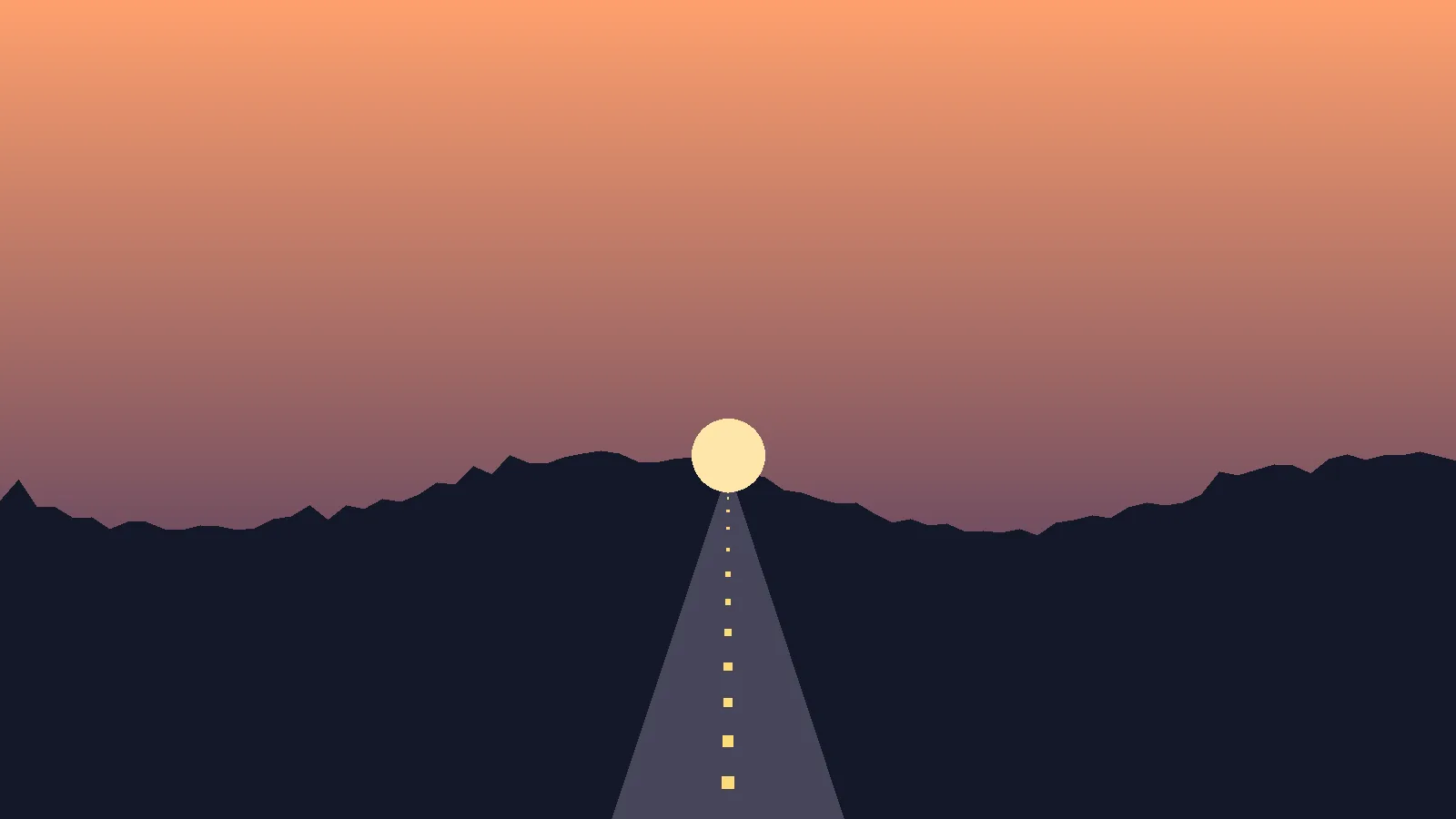
End them at your subject. The most important rule. A line should deliver the viewer somewhere: a person, a building, the sun, a boat. A line that leads to empty sky is a road to nowhere, and your viewer will feel slightly cheated.
Use converging lines for depth. Parallel lines (rails, a corridor, a long jetty) appear to meet in the distance. That convergence creates a powerful sense of depth in a flat photo.
Get low. Putting the camera close to the ground exaggerates lines in the foreground: paving stones, tracks, ripples in sand. A simple change in height can turn a boring path into a dramatic one.
Try curves. An S-shaped river or winding road feels more relaxed and elegant than a straight line, and leads the eye through more of the frame.
Common mistakes
- Lines leading out of the frame. If a strong diagonal points to the edge, the viewer's eye follows it right out of your photo.
- Too many competing lines. Five roads going five directions is chaos, not composition.
- A subject that's too small. If the line is gorgeous but leads to a tiny dot, the line becomes the subject. That can work, but make it a choice.
A practical exercise
Go for a 20-minute walk with one goal: photograph ten different leading lines that end at something interesting. A staircase leading to a door. A shadow leading to a cat. Railings leading to a person waiting for a bus. You'll start seeing lines everywhere, and your photos will start telling people where to look.
Combining techniques
Leading lines work beautifully with the rule of thirds: let the line guide the eye to a subject placed on a third intersection. Add golden-hour light, and you've combined three of the oldest tricks in photography. They're old because they work.