How to Spend Fall Outside in St. John's, NL: Parks, Trails, Berries, Farms and Tracking
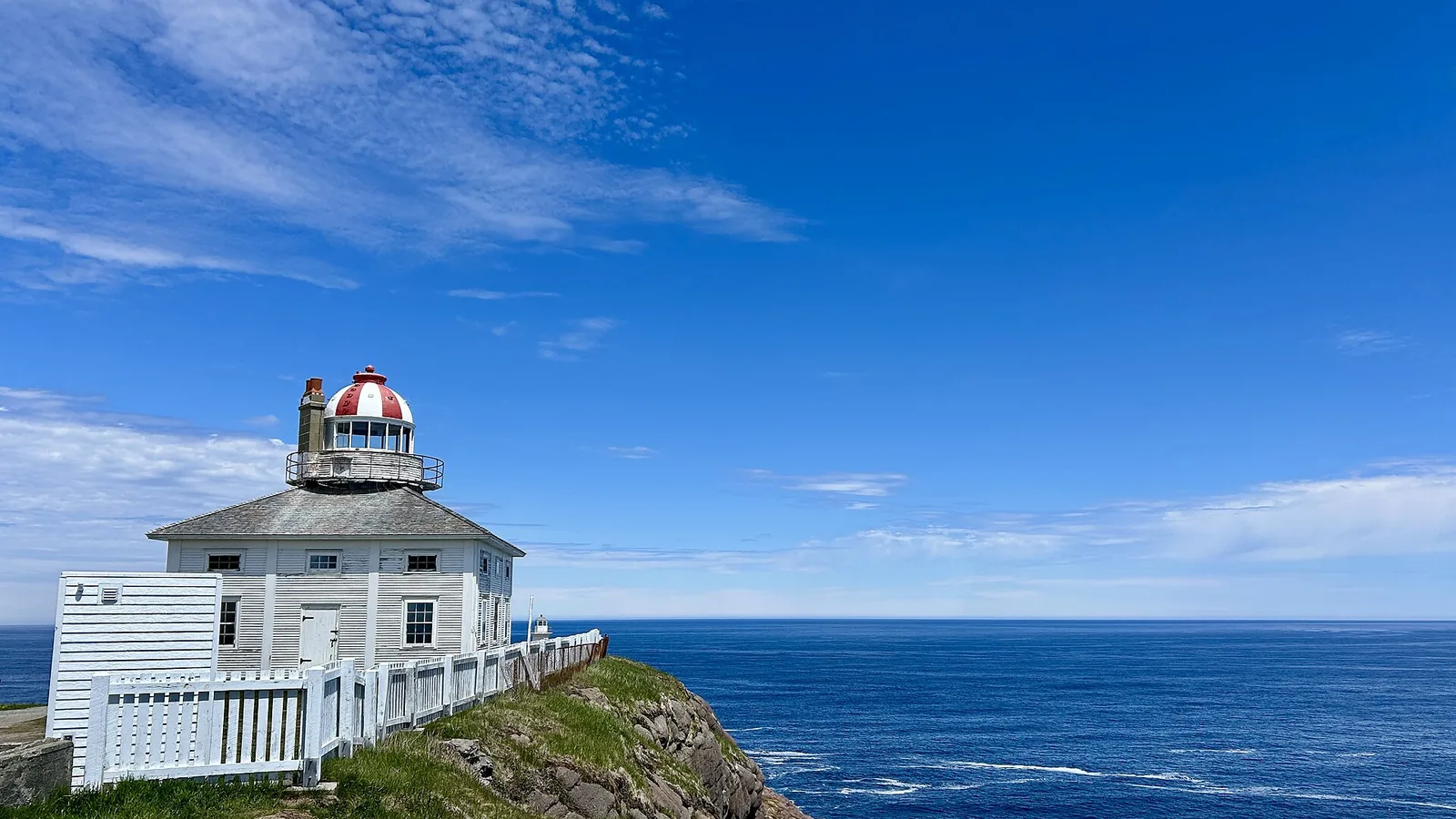
Fall is short in St. John's and it does not wait for you. The first frost arrives, the barrens go red and rust, the light gets low and gold, and then the wind and the first snow flurries close the season. If you only go outside in summer you miss the best part of the year here. This is my list of things to do outdoors between now and the snow: the parks, the farms, the trails, the berries, and a few habits (tracking, trailing and logging your walks) that make a walk more than a walk.
A note on facts. Hours, fees and trail conditions change every year, and some of the sources below are older than this season. Where I could not confirm something for 2026 I say so. Check the official page or call before you drive out. Numbered sources and photo credits are at the end.
1. The city parks (easy, close, no excuses)
You do not need a car or a full day for these.
- Bowring Park. About 200 acres on the Waterford River, opened in 1914, with a duck pond at the entrance, the Peter Pan statue, the caribou memorial and the Fighting Newfoundlander statue [1]. Walk the loop in the afternoon when the light is low.
- The Waterford River Walk. Part of the Grand Concourse network, listed at 6.2 km and passing through Bowring Park, beginning at Mile 0 of the Trans Canada Trail [2]. It is the easiest way to link a park, a river and the city in one walk.
- Quidi Vidi Lake. The loop is flat and about 3.8 km, and is listed at 3.8 km [3]. Allow an hour or two. Fall is a good time for it: fewer people, calmer water, and the village just over the hill for a break.
- Rennie's River Trail. Links Quidi Vidi Lake with Long Pond, near Pippy Park, as part of the Grand Concourse network [2].
- Pippy Park. A 3,400-acre urban park with groomed and wilderness trails that link into the Grand Concourse [4]. The Memorial University Botanical Garden is inside it, and so is the Fluvarium, where you look at Nagle's Hill Brook from underneath [4].
The Botanical Garden's 2026 admission page lists low-season rates for May and October to November: adult $12.00, senior $9.50, youth $6.50, family day pass $30.00, with HST included, and admission by donation on the first Wednesday of each month [5]. I could not confirm this fall's opening hours, so call 709-864-8590 first.
2. Signal Hill and Cape Spear
These two are the classics, and both are better in fall than in July because the crowds are gone.
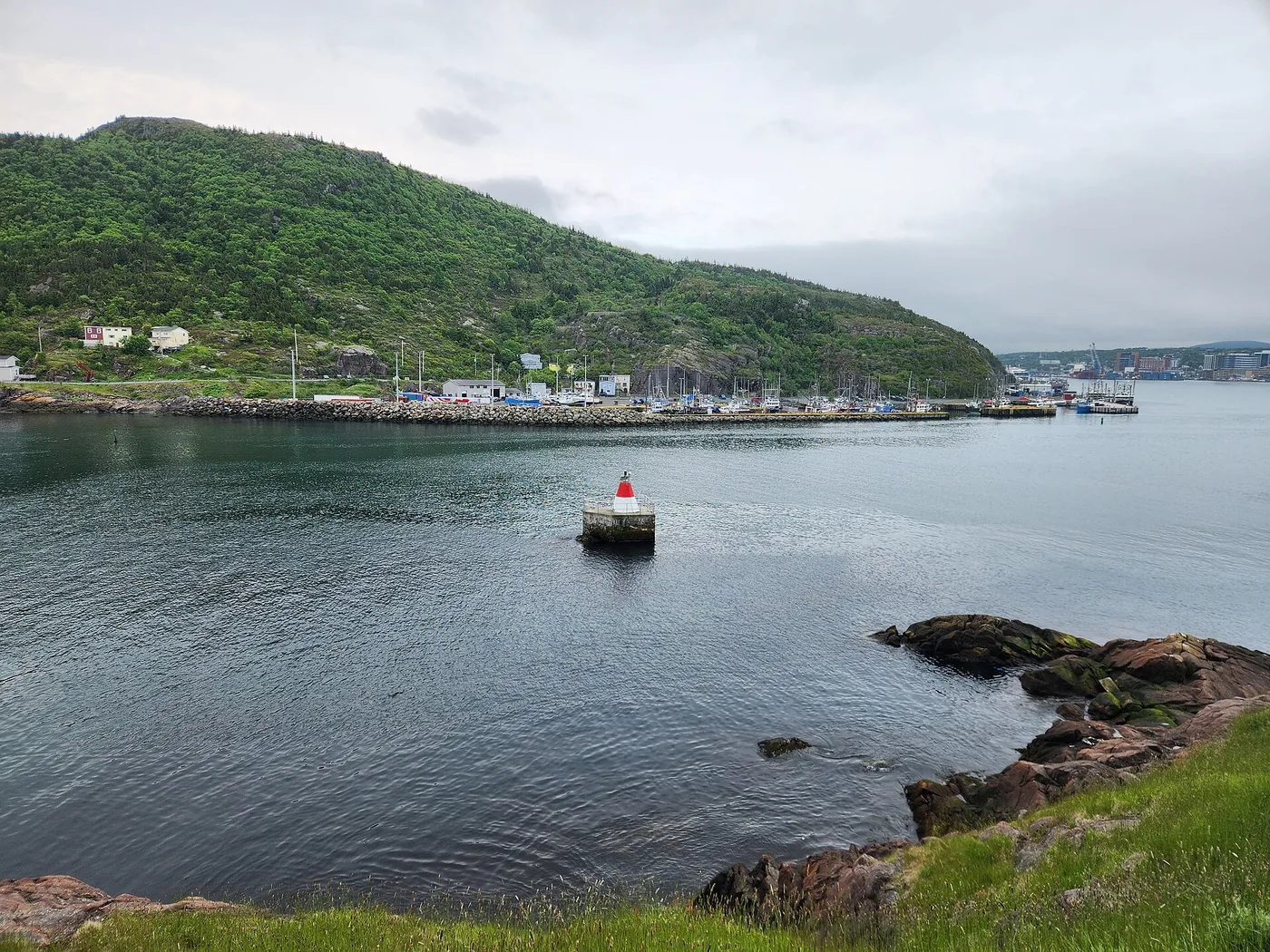
- Signal Hill. Ladies' Lookout is the highest point, at 167 m [6]. Wikipedia lists three walks: the North Head Trail along the edge of the harbour (1.7 km one way [3]), the steep Ladies' Lookout Trail (0.7 km one way [3]), and the Burma Road (1.4 km [3]), built by American servicemen in World War II, running from George's Pond to Cuckold's Cove near Quidi Vidi [6]. Cabot Tower opened in 1900, and Marconi received the first transatlantic wireless signal here on 12 December 1901 [6]. Parks Canada runs the site; the visitor centre is seasonal, so check its page before you go.
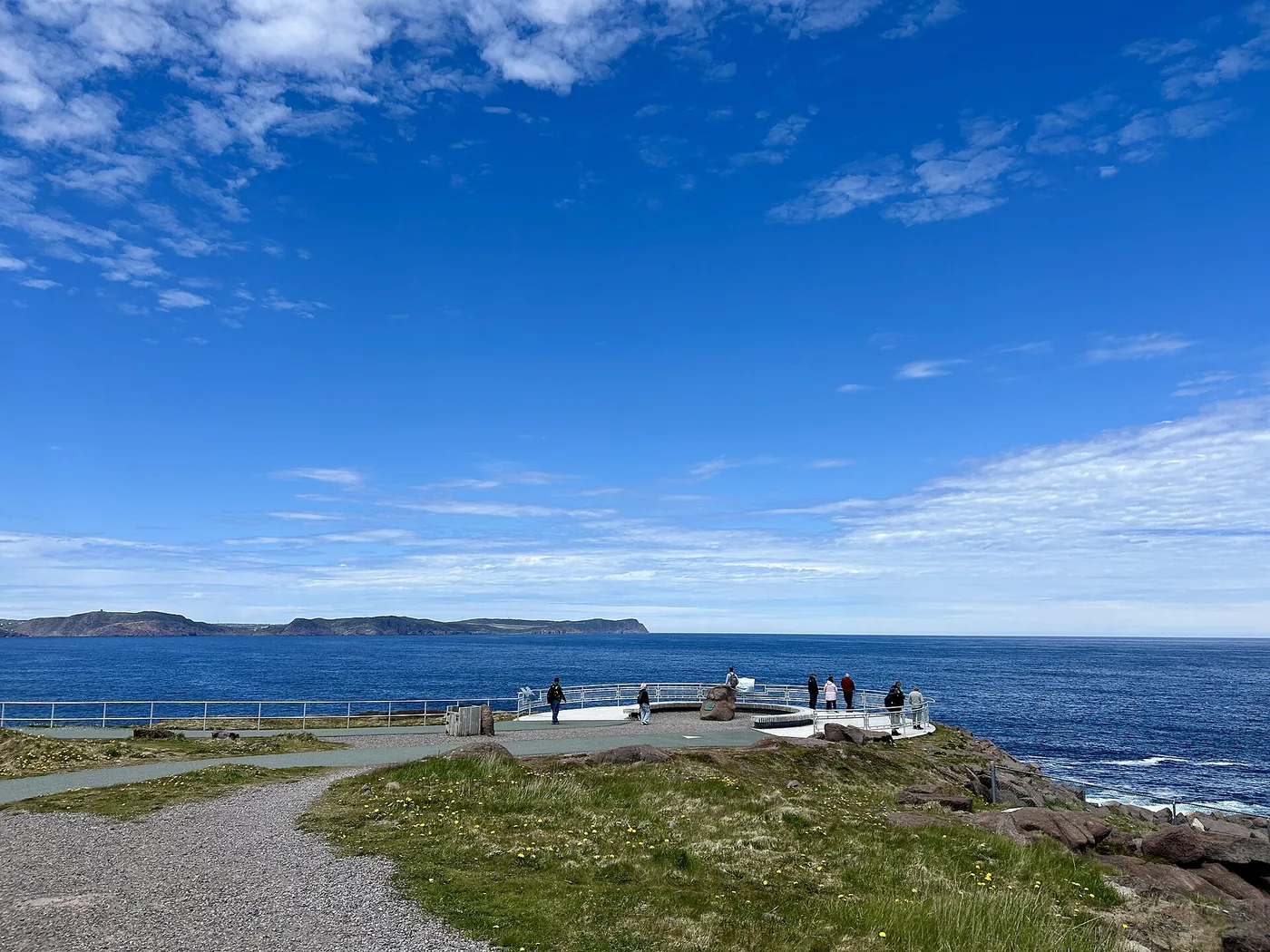
- Cape Spear. About 12 km from downtown, the easternmost point in Canada and North America excluding Greenland. The original lighthouse has been working since 1836 and is the oldest surviving lighthouse in Newfoundland, and the barrels of the Second World War gun battery are still there [7]. Parks Canada has signs about dangerous waves, so stay back from the edge, especially in a fall swell. See the Parks Canada page.
3. Trailing: the East Coast Trail
The East Coast Trail runs south of the city. Wikipedia describes it as 336 km in 25 linked paths, from Topsail Beach to Cappahayden, maintained by the East Coast Trail Association [8]. Newfoundland and Labrador Tourism gives a rounder "300 km linking 32 historic communities" [9], so treat the exact figure as approximate.
Two paths suit a fall day from St. John's:
- Cape Spear Path. 15.4 km south of the lighthouse [9]. It is long, so do a section and arrange a pick-up.
- Blackhead to Cape Spear. About 4.7 km one way, around two hours, with cliffs, boardwalks, muddy sections and the chance of whales [3].
Be honest about the difficulty. Paths range from easy to strenuous, and some are remote with no way out partway [8]. Wear boots, carry water, tell someone your route, and look at the association's website for path status before you go.
4. Berries (the best reason to go out in October)
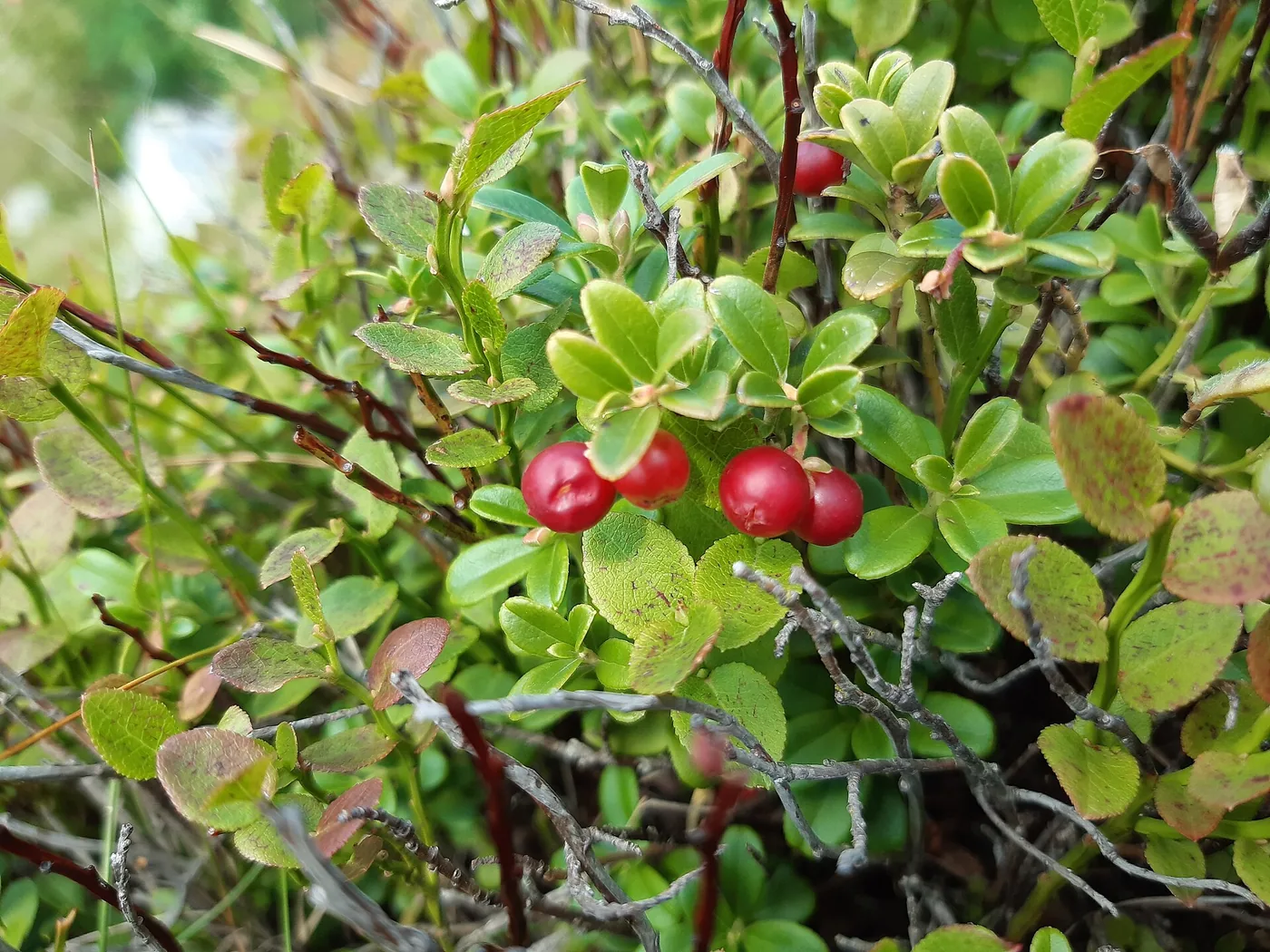
Partridgeberry, which is the same plant as the lingonberry, is the Newfoundland fall berry. Newfoundland and Labrador Tourism says to pick it after a frost, in well-drained barrens and coastal headlands, with prime time in October or early November [10]. Blueberries (late August to September) and bakeapples (mid-August to September) are already finished for the year [10].
- Take a plain container. The traditional choice is an old ice cream tub or bucket [10].
- A berry picker (a comb-like scoop) is fast but you sort leaves afterwards. Hand picking is slow and clean [10].
- The tourism article does not cover land access, permits or limits [10]. Ask before you pick on private land, and pick only what you will use.
- Partridgeberries freeze well, and they make jam, muffins and a sauce for meat.
5. Farms
I will be careful here, because I found few current listings.
- Lester's Farm Market, 173 Brookfield Road. The provincial farm guide lists it as open daily from early May to December, 10 a.m. to 6 p.m., and says the hours can change [11]. It has held an October Pumpkinfest in past years; I could not find a 2026 date, so check lestersfarmmarket.com or call 709-747-3276 [11].
- Other pick-your-own farms. A directory of pick-your-own farms lists Newfoundland entries for strawberries, raspberries and similar summer fruit, and warns that its listings can be out of date [12]. I found no apple orchards in the province. If a farm stand has pumpkins, squash and root vegetables, fall is when they are good.
6. Wildlife and nature parks
Salmonier Nature Park, on the way to the Southern Shore, is run by the province and has been free to enter [13]. Its fall hours have changed from year to year, and some areas close during repairs, so read the visitation page before you go.
7. Tracking
I use "tracking" in two ways, and both are good in fall.
Reading animal sign. Soft ground after rain and the first light snow show everything that passed in the night. On the Avalon you may find moose tracks and droppings, and small tracks of hare and fox near the edges of the woods. Take a photo with a coin or a glove for scale, note where you found it, and leave it alone. Do not follow an animal to see it. In the rut, moose can be unpredictable, so keep your distance.
Logging your walks. A GPS app (any one you like) records the route, distance, time and weather. It also helps if you get lost, as long as your phone is charged. Keep a simple log of what you saw: date, place, weather and what was ripe, flying or tracked. After two or three falls, it becomes your own calendar of the season.
8. Safety in fall
- Moose on the road. Collisions rise in September and October as moose get more active before the rut, and most happen between dusk and dawn. The province tells drivers to slow down at night, scan both sides of the road and make sure everyone wears a seatbelt [14]. Report a sighting or collision on 1-855-89-MOOSE [14].
- Hunting season. Many people are in the woods with firearms. The province encourages blaze orange, and it is cheap insurance. If you are not hunting, wear it anyway on the barrens. My hunting guide has the rules and how licences work.
- Weather. Coastal weather changes fast. Dress in layers, pack a waterproof shell, and carry a headlamp, since the days get short quickly.
- Mushrooms. Never eat a wild mushroom you cannot identify with certainty. Photograph them instead.
- Water and cliffs. Fall swell is strong. Keep well back from edges, and do not climb wet rock to take a photo.
A simple weekend plan
- Saturday morning: Quidi Vidi Lake loop and a coffee in the village.
- Saturday afternoon: Signal Hill, the North Head Trail, then Ladies' Lookout for the view.
- Sunday: Blackhead to Cape Spear on the East Coast Trail, with a bucket for partridgeberries.
- On the way home: a stop at a farm stand, and a note in your log.
None of this needs special gear, only a reason to leave the house before the snow arrives.
Sources
- Bowring Park (St. John's), Wikipedia
- Grand Concourse (St. John's), Wikipedia, and the Bowring Park trail maps. Network length figures vary by source (120 to 200+ km).
- 10 of the best hiking trails near St. John's, Explore Magazine (Quidi Vidi Lake, Signal Hill trails, Blackhead to Cape Spear)
- Pippy Park, Wikipedia, and pippypark.com
- Memorial University Botanical Garden admission rates, 2026
- Signal Hill, Wikipedia
- Cape Spear, Wikipedia
- East Coast Trail, Wikipedia
- Five great fall hikes in Newfoundland and Labrador, NL Tourism
- All about berries, NL Tourism
- Lester's Farm Market, Government of Newfoundland and Labrador farm guide
- Pick-your-own farms in Newfoundland, pickyourown.org
- Salmonier Nature Park visitation, Government of Newfoundland and Labrador
- Moose advisory, Government of Newfoundland and Labrador
Photo credits
All photographs are from Wikimedia Commons and are either CC0 or in the public domain, so no attribution is required, but here they are:
- Cover: Old Lighthouse at Cape Spear, June 10, 2026 (CC0)
- Easternmost Point Overlook at Cape Spear, June 10, 2026 (CC0)
- The Narrows, St. John's (CC0)
- Lingonberry, Vaccinium vitis-idaea (CC0; not taken in Newfoundland)
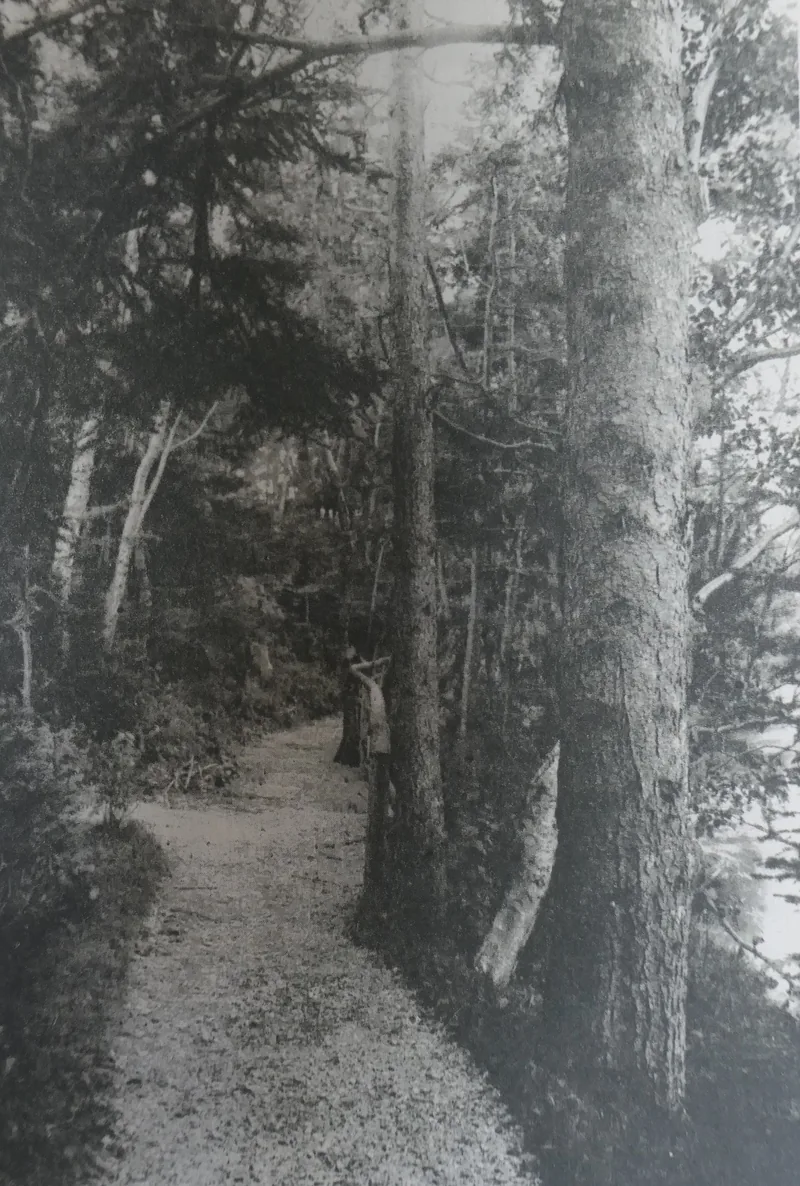
- Bowring Park, St. John's, Newfoundland (public domain, historic photograph)


